
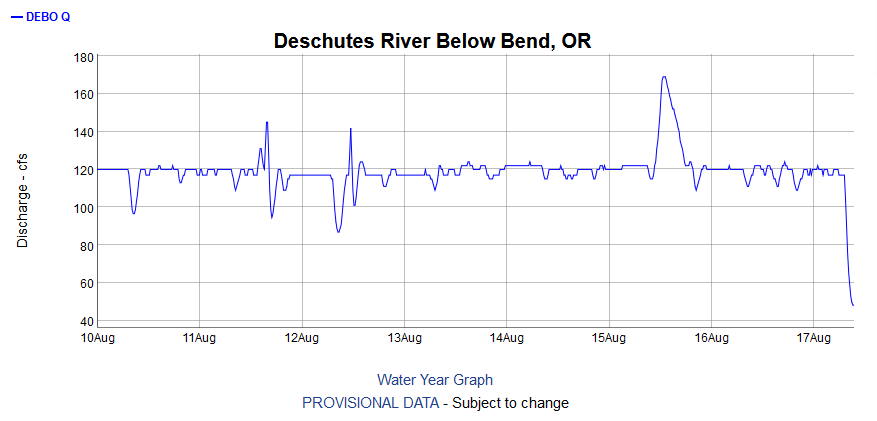
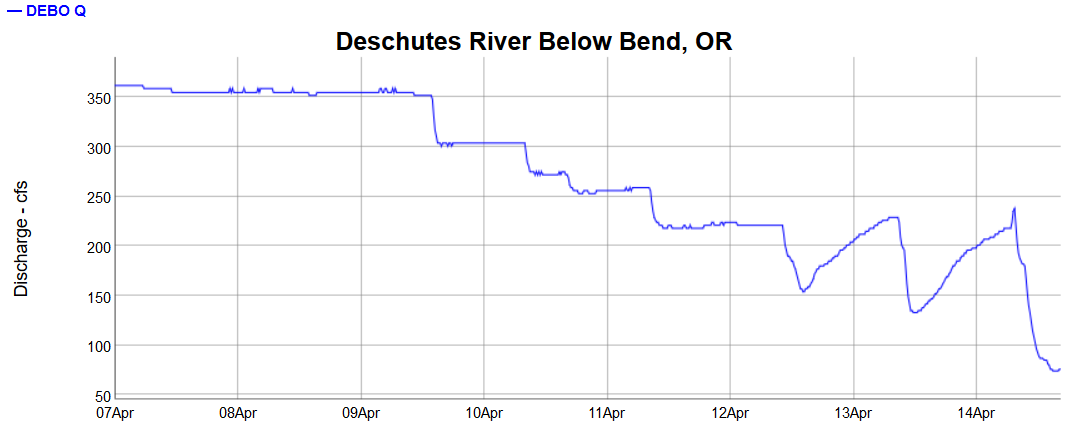
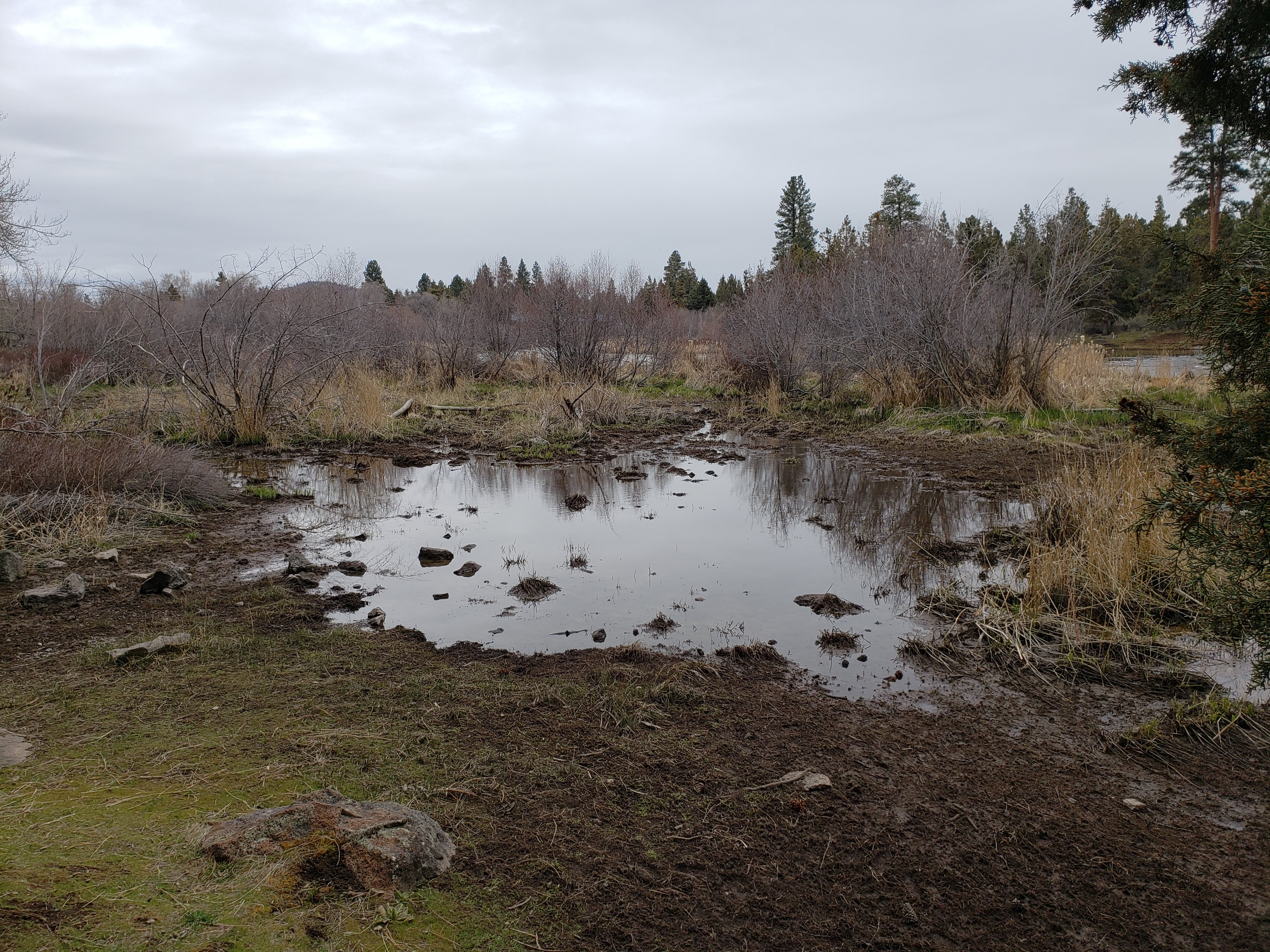
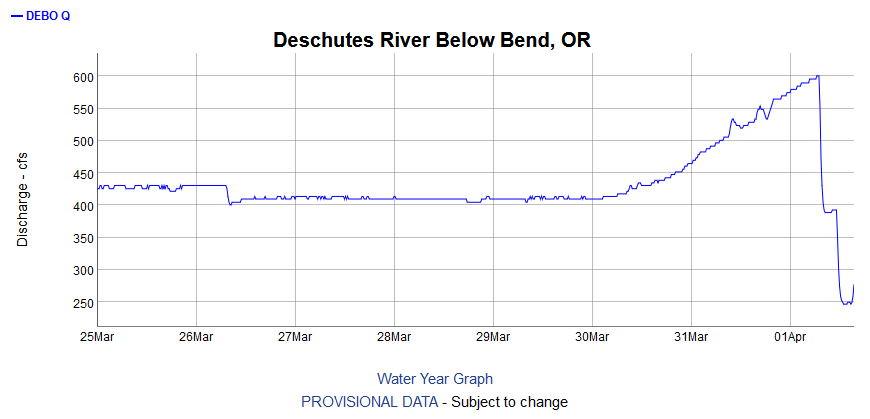
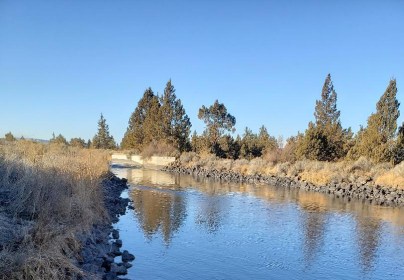
Right now, the Middle Deschutes is at 48 CFS. In the 16 or so years that I have tracked flows, this is the lowest I have seen. So much for all the posturing on the part of the irrigation districts about caring for the environment. When push comes to shove, they get all the water. They didn’t even slowly ramp flows down to give fish a chance to move out of side channels. The river dropped from 117 CFS to 48 CFS in only 2 hours. We have known for years that drought and water shortages will come but little has been done to prepare for it.
UPDATE: Since hitting a low of 48 CFS around 9 AM this morning, the flows were returned to around 120 CFS at 12:30 PM. So, it looks like I jumped the gun somewhat in my post. Nevertheless, a 50%+ drop in less than 2 hours was more than concerning and will create environmental havoc. Like I have said so many times before, just like us, fish and other aquatic life need to breathe all the time, not just most of the time. It is also the case that very little has been done to prepare for the hot, dry future that we are going to live in and the irrigators continue to control almost all of the water in the Deschutes from the headwaters almost to Lake Billy Chinook.














 A rare but welcome





 Source:
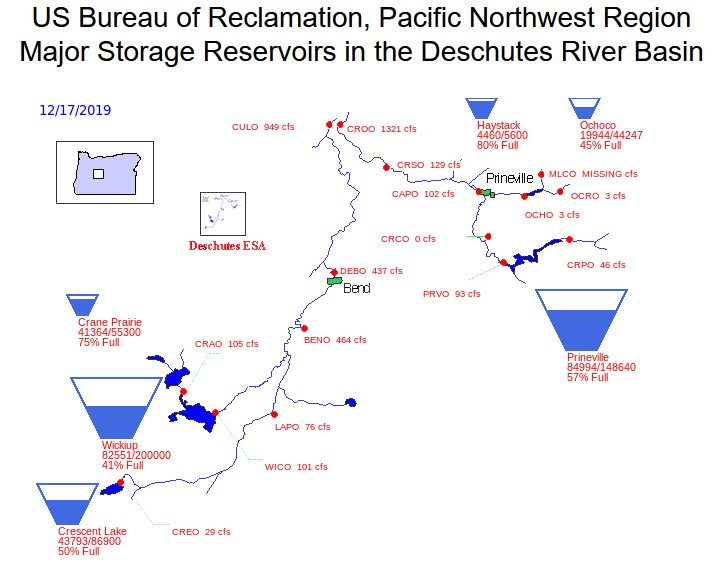
  Three federal agencies (Bureau of Reclamation, National Marine Fisheries Service, and US Fish & Wildlife) manage water releases out of Prineville Reservoir into the Crooked River. As of last week, they believe flows for fish and wildlife can be maintained through the winter. Prineville Reservoir has a capacity of 148,640 acre feet of water, approximately half of which is guaranteed for irrigation. Water in excess of that at the beginning of irrigation season is “fish water” to be released for the “maximum biological benefit” for fish and wildlife. Irrigation season ends in a month and Prineville Reservoir is still 66% full, leaving plenty of fish water to release during the winter. Keep reading for more details.
 Central Oregon Informed Angler