
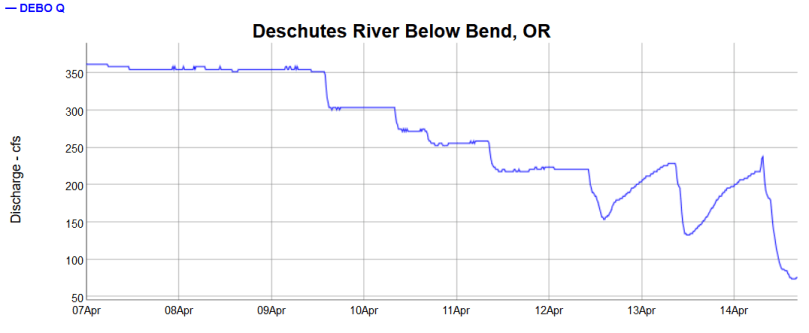
I have been writing for years about the water crisis that is looming in Central Oregon. Global heating, booming growth, and antiquated water policy is already impacting fish and wildlife. The persistence of shortages for agriculture are now becoming apparent to even the most fervent deniers. Municipal shortages are clearly on the horizon. I am heartened that the new ownership of The Bulletin is tackling this issue. Today they had two good articles on the topic. “How climate has changed farming the the Northwest” is a reasonable overview of the impacts of smaller snow pack, a topic I frequent. Missing from the article is a discussion of the impact of over pumping groundwater and lack of recharge which is equally concerning. They also ran a story about water rights marketing in Washington in the print edition, but failed to put it online (I found it here). This is exactly the approach that the Basin Study Work Group said would be a cheaper, faster way than piping to return water to the Deschutes River. If it can work in Washington, why not here in Central Oregon?








 A rare but welcome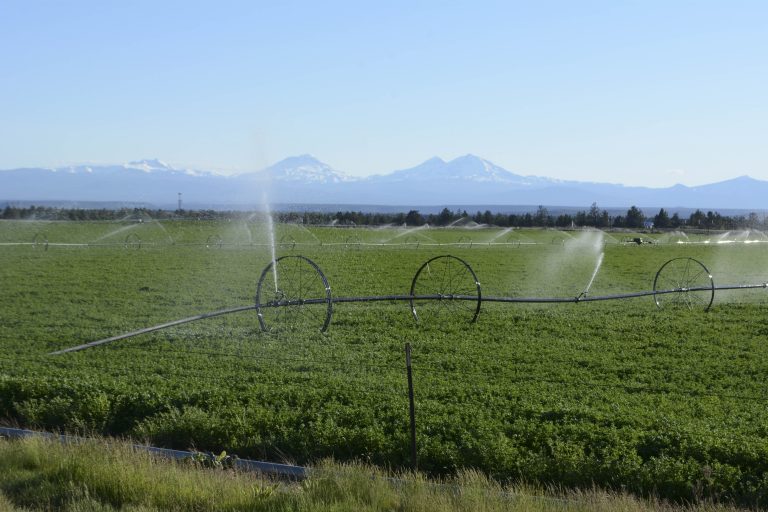





 Source:
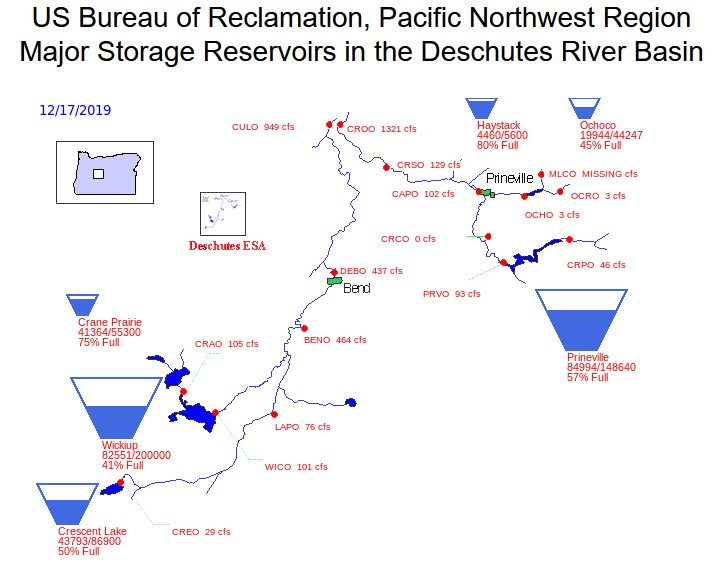
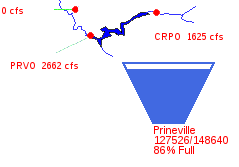
  Three federal agencies (Bureau of Reclamation, National Marine Fisheries Service, and US Fish & Wildlife) manage water releases out of Prineville Reservoir into the Crooked River. As of last week, they believe flows for fish and wildlife can be maintained through the winter. Prineville Reservoir has a capacity of 148,640 acre feet of water, approximately half of which is guaranteed for irrigation. Water in excess of that at the beginning of irrigation season is “fish water” to be released for the “maximum biological benefit” for fish and wildlife. Irrigation season ends in a month and Prineville Reservoir is still 66% full, leaving plenty of fish water to release during the winter. Keep reading for more details.

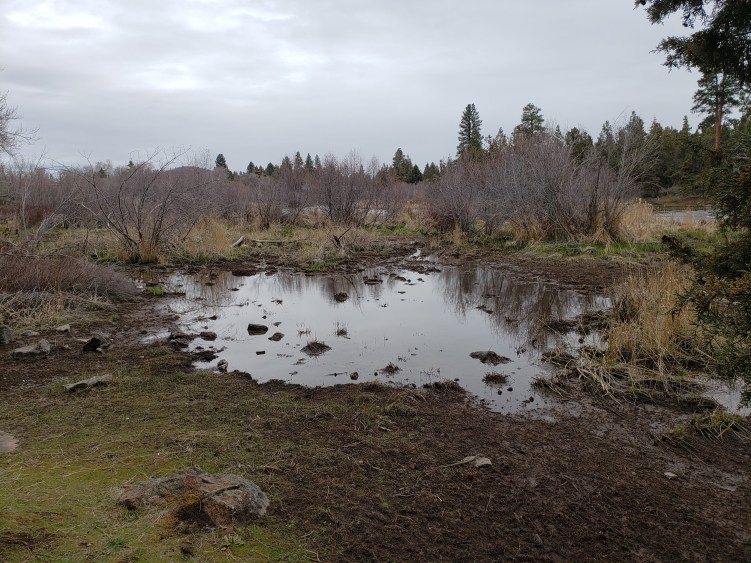
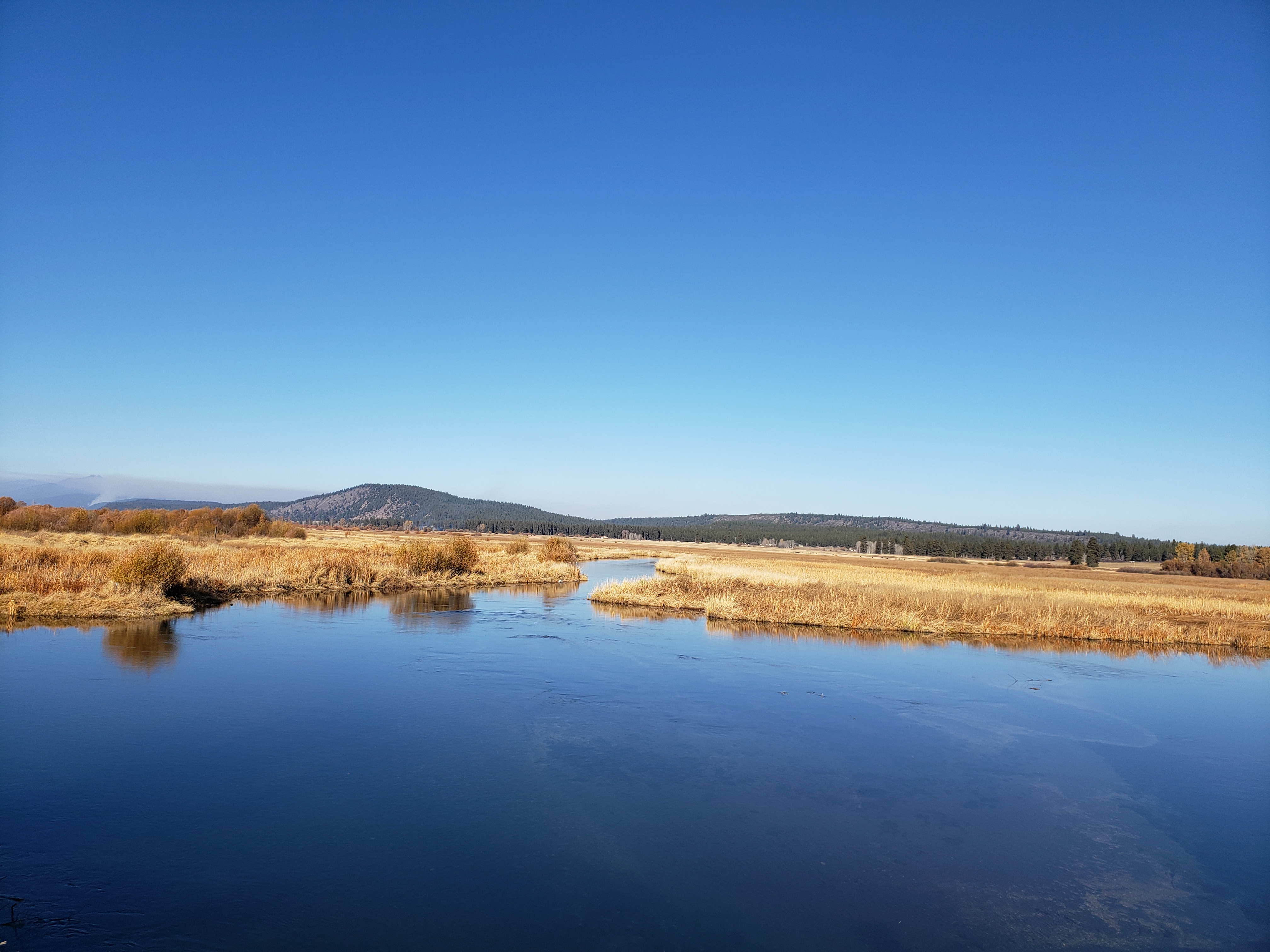
 Headwaters of the Deschutes at Little Lava Lake on 5/12/19. A dry river.

 Central Oregon Informed Angler